


When people think of Puerto Rican communities in the United States, cities like New York, Chicago, and Orlando are usually the first to come to mind. These East Coast hubs have long been known for their large, active Puerto Rican populations. But Puerto Ricans have also built meaningful lives on the West Coast, particularly in California, for over a century. While the population here has historically been smaller, its impact and legacy are deeply rooted and worth exploring.

Puerto Ricans in California: The Untold Chapter
Puerto Rican migration to California is often left out of mainstream Latino history narratives. That’s partly because California’s broader Latino population has long been associated with Mexican and Central American communities. However, Puerto Ricans have lived, worked, served, and celebrated their culture here for generations. Their story is unique—not just in how they got here, but in how they’ve blended East Coast influences with California’s multicultural atmosphere.
This post offers an introduction to that history. It highlights the early arrivals, post-war migrations, cultural contributions, and the growing presence of Puerto Ricans in California today. Over time, we will dig deeper into each era and tell the stories of the people who helped shape this often-overlooked part of Puerto Rican history.
Early Arrivals: Late 1800s to Early 1900s
Puerto Rican migration to California began quietly in the late 19th and early 20th centuries. After the Spanish-American War in 1898, Puerto Rico became a U.S. territory, and its residents were granted U.S. nationality. That opened the door for Puerto Ricans to travel and live on the mainland without the immigration barriers faced by other Caribbean and Latin American migrants. Some found their way to California during this period, often through military service, labor recruitment, or adventurous relocation.
Though small in number, these early Puerto Rican migrants were part of a broader movement of people looking for better opportunities across the expanding United States. Some were recruited to work on railroads or in agriculture, industries that required a steady flow of physical labor. Others served in the U.S. military and were stationed or relocated to bases out west. California’s growing economy, combined with its strategic coastal location, made it an attractive destination for anyone looking to work or serve.
While these early Puerto Rican settlers didn’t form large enclaves like their East Coast counterparts, they laid the foundation for later waves of migration. Their presence—though not always recorded in large numbers—contributed to the beginnings of a community that would slowly grow and diversify over the decades.
War and Work: The 1940s Military Boom
World War II marked a significant shift in Puerto Rican migration to California. The war effort created an urgent need for military personnel and industrial labor, and Puerto Ricans answered the call in large numbers. Many joined the armed forces, and California—with its major military installations—became a temporary or permanent home for many of them. Bases like Camp Pendleton, the San Diego Naval Base, and others brought thousands of service members from across the U.S., including Puerto Rico.
Some Puerto Rican servicemen settled in California after the war, choosing to build new lives far from the island or the more crowded East Coast cities. Others returned home but left behind a small yet growing network of friends and family who would later return or follow. In some cases, intermarriage and community connections helped cement Puerto Rican roots in areas like Los Angeles, San Diego, and parts of the Bay Area.
This period also saw the beginning of Puerto Rican participation in California’s wartime and postwar industries. From shipbuilding to factory work, these jobs offered steady employment and a new sense of possibility. Though Puerto Ricans were still a minority among California’s Latinos, their presence during this era signaled the start of a more visible community.
Agriculture and Industry: Post-War Migration
After the war, California’s demand for labor continued to rise, especially in agriculture and manufacturing. Puerto Ricans, now U.S. citizens following the passage of the Jones Act in 1917, were well-positioned to move to the mainland for work. Some came as seasonal farmworkers, joining Mexican and Filipino laborers in Central and Southern California fields. Others moved permanently and found jobs in urban industries, public service, or health care.
While Puerto Ricans weren’t officially included in programs like the Bracero Program (which brought Mexican workers to the U.S. under formal agreements), some Puerto Rican laborers were recruited informally or came independently. Their participation in agriculture may not have been as large-scale as other groups, but it was still vital in regions like the Central Valley. At the same time, cities like Los Angeles and San Francisco offered industrial jobs that allowed Puerto Rican families to settle and build roots.
Higher education also played a role in this migration. California’s university system attracted Puerto Rican students and professionals, particularly in the post-war decades. Some came for college and stayed to work, teach, or raise families. These professional migrants helped diversify the image of the Puerto Rican experience in California, showing that it wasn’t limited to labor or military service.
West Coast Cultura: Music, Food, and Identity
Puerto Ricans in California brought their rich culture with them—and made it work in a West Coast setting. Music was one of the most visible expressions of this identity. Puerto Rican styles like bomba, plena, and salsa mixed with Mexican, Afro-Cuban, and African American musical influences, especially in cities with strong cultural scenes like Los Angeles, Oakland, and San Francisco. Local Puerto Rican musicians, dancers, and cultural activists helped introduce California audiences to these sounds.
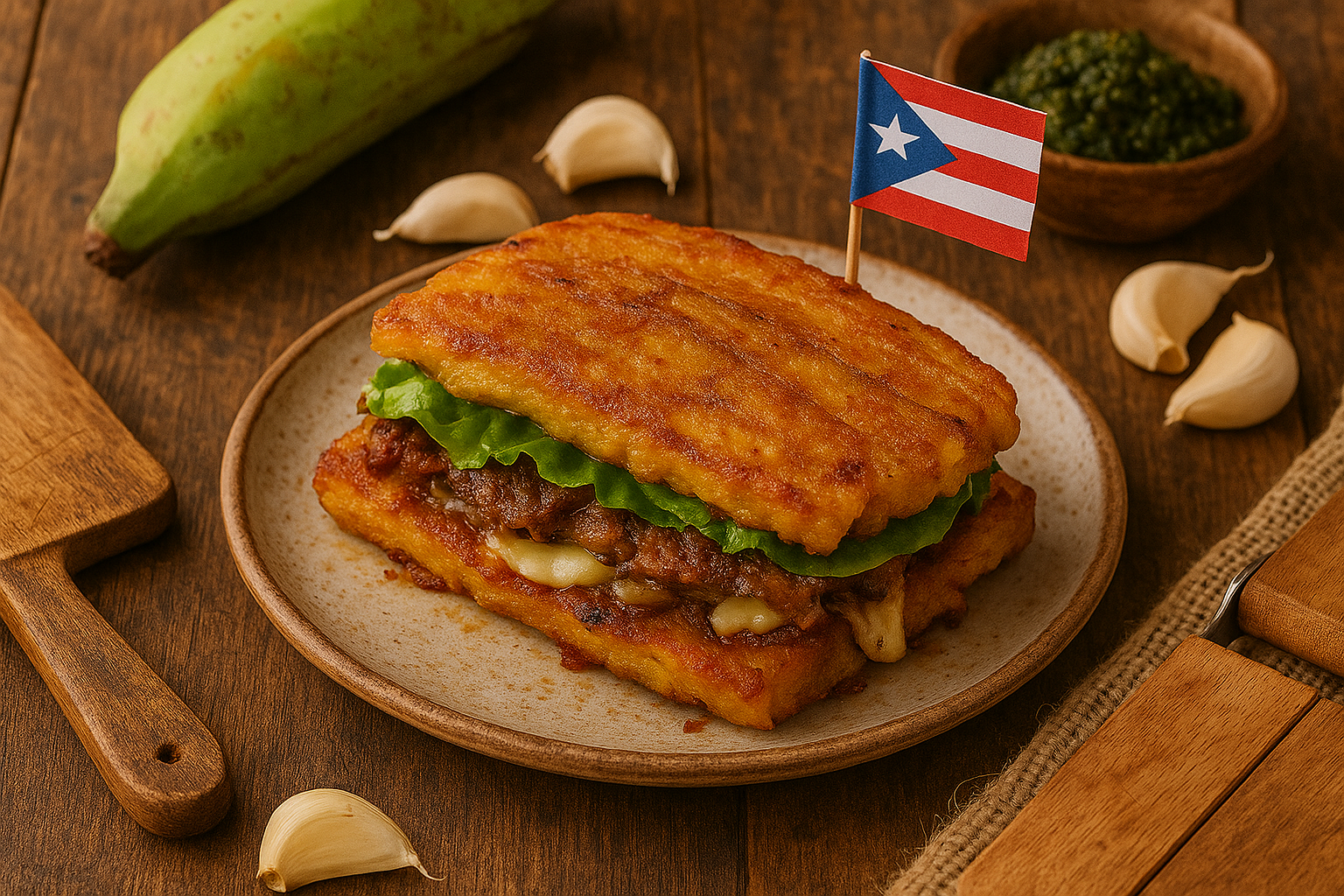
Food was another way Puerto Ricans made their presence felt. While not as common as taquerías or Salvadoran pupuserías, Puerto Rican pop-up kitchens and restaurants have always had a place in California’s food scene, especially in areas with military bases or college campuses. Dishes like arroz con gandules, pasteles, and pernil showed up at festivals, fundraisers, and backyard gatherings, connecting communities through flavor and tradition.
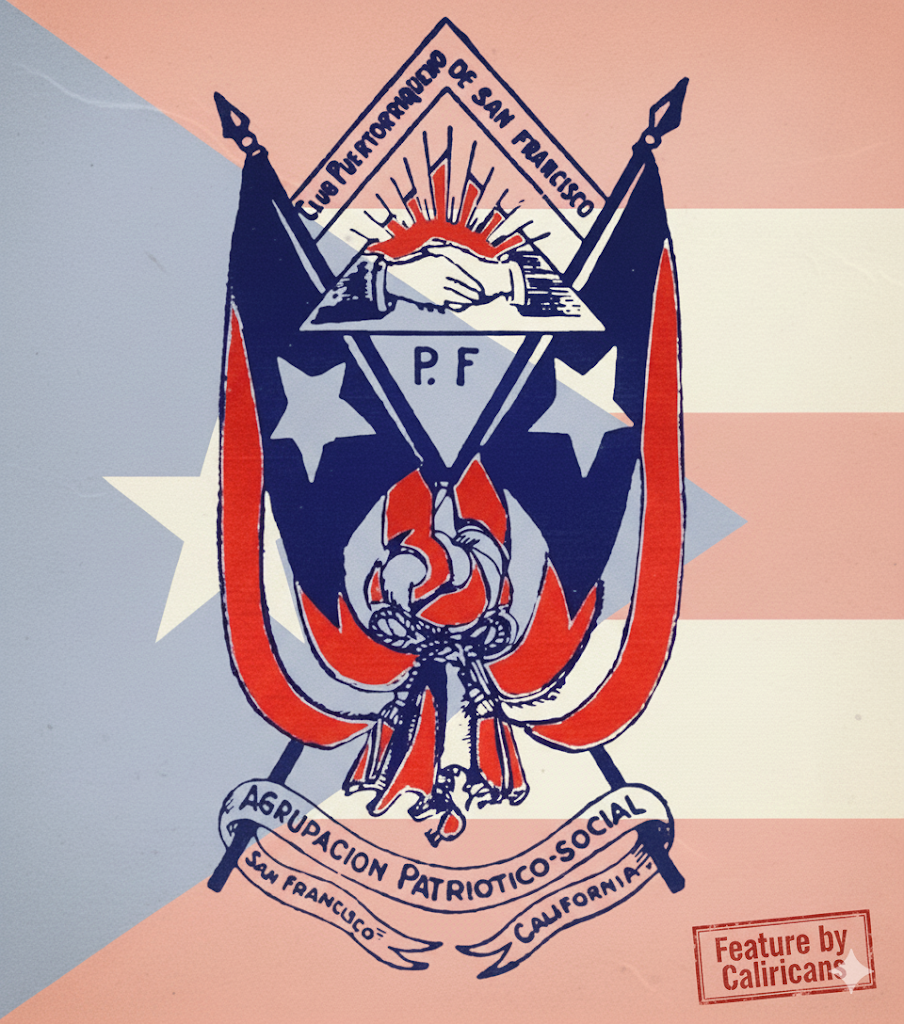
Puerto Ricans also contributed to political and cultural activism, particularly in the 1960s and 1970s. Some joined broader Latino movements like the Chicano movement or Black and Brown coalitions for civil rights. Others created their own cultural centers, student organizations, or small media platforms to promote Puerto Rican heritage. This cultural and political activity helped ensure that Puerto Rican identity remained visible, even without a large concentration of people in one area.
Today’s Boricua Presence in California
Today, Puerto Ricans in California make up a diverse, multi-generational, and growing community. Many have roots in the military or post-war migrations, while others are newer arrivals seeking education, tech jobs, or simply a different pace of life from the East Coast. Although California does not have a single Puerto Rican hub, there are pockets of Boricua life across the state—from the Inland Empire and L.A. County to San Diego, the Bay Area, and even Sacramento.
Social media has also helped connect Puerto Ricans across California, allowing for the creation of virtual communities and cultural events. Instagram pages, Facebook groups, and local influencers are spotlighting Puerto Rican businesses, artists, and events. Puerto Rican Day parades, flag raisings, and cultural festivals—though not as frequent—do happen and are often community-led and grassroots in nature.
As California continues to evolve, so does the Puerto Rican presence within it. This community may be smaller in number, but it’s rich in history, culture, and contribution. Whether through military service, music, education, or activism, Puerto Ricans have left a lasting imprint on the Golden State—and it’s time their stories are recognized and celebrated.
Digging Deeper Into Our Roots
This post is just the beginning of our journey through the rich and often overlooked history of Puerto Ricans in California. From early military connections to today’s community organizations, our presence has always been here—quietly growing, connecting, and contributing to the fabric of West Coast life.
In future posts, we’ll dive deeper into specific time periods and the experiences that shaped each generation of Boricuas in the Golden State. We’ll also spotlight key figures, cultural celebrations, and the evolution of Puerto Rican identity across cities like Los Angeles, San Diego, the Bay Area, Sacramento, and beyond.
If you’re a Puerto Rican living in California—or simply want to learn more about this community—stay connected. There’s so much more to share, honor, and document. This is our story, and we’re just getting started.

Leave a Reply